Sleep quality is directly linked with our overall well-being and affects our energy, mental clarity, and overall health. For better sleep, some generic approaches include herbal teas, medication, music, or supplements. However, foot massage is the lesser-known alternative with considerable effectiveness and is often ignored. The link between foot massage and sleep is also well established in recent studies.
Foot massage is widely studied in reflexology and massage therapy, and it has been proven that foot massage influences both the body and the mind. It is also established that foot massage can reduce anxiety, stress, pain, and sleep irregularities.
What is a Foot Massage?
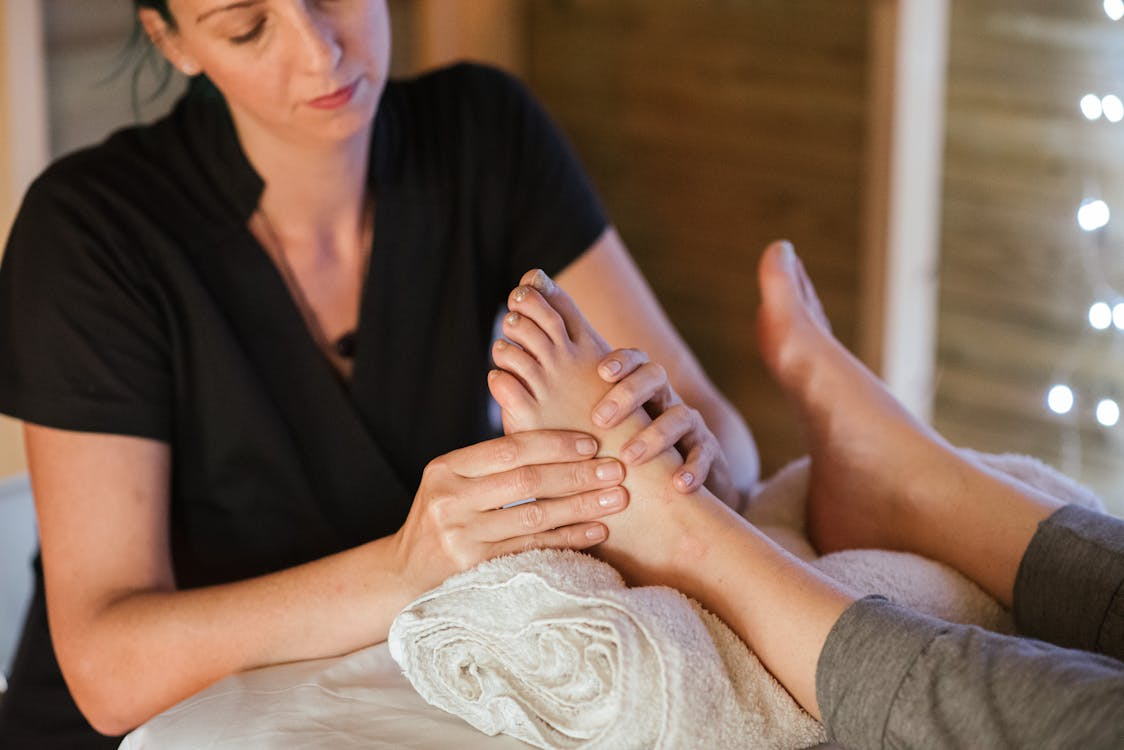
Foot massage is a therapeutic practice involving pressure and movement on the feet. It is based on reflexology, acupressure, and traditional massage techniques. It is helpful because our feet contain nerve endings that send calming signals to the brain and nervous system. Foot massage can be especially effective for menopausal symptoms, chronic pain, anxiety, and depression. Some of the common types of foot massage include:
- Swedish massage
- Reflexology
- Acupressure
- Deep tissue massage
- Myofascial release
- Hot stone massage
- Lymphatic drainage
How Does Foot Massage Help You Sleep Better?
A foot massage is a natural way to improve sleep quality and relaxation. It does multiple things to your body to assist overall well-being, which includes:
- Regulates Sleep Hormones
Foot massage increases serotonin, which is a mood regulator. It also supports natural melatonin production, which is also known as the sleep hormone. Hence, it makes sleep easier and more restorative. Several clinical trials show a high melatonin level during night-time after foot massage.
- Activates the Parasympathetic Nervous System
A good foot massage stimulates the ‘rest and digest’ mode. It counteracts stress and fight-or-flight responses. Moreover, foot massage is proven to slow breathing and heart rate. Hence, it relaxes muscles and prepares the body for better sleep.
- Reduces Cortisol
Higher levels of cortisol delay sleep and increase night awakenings. A foot massage lowers cortisol naturally and creates a feeling of safety that allows deeper sleep.
See also: Helping Parents Stay Connected Without Overloading School Staff
What are the Key Sleep Benefits of Foot Massage?
A few of the key sleep benefits of foot massage include:
- It promotes deep physical and mental relaxation
- Foot massage improves sleep onset and helps to fall asleep faster
- It also enhances restorative sleep stages
- This also reduces insomnia symptoms and allows one to wake up refreshed.
How to Do a Foot Massage for Better Sleep?
To improve sleep, follow this step-by-step method before bed. The steps for foot massage include:
- Wash the feet with lukewarm water to relax the muscles
- Then apply oil or lotion
- After that, massage arc and heel using two thumbs
- Also, rub toes gently, including the area between them
- Ensure to use circular motions on the ball of the foot
- Press reflex points on the sole for 3 to 5 seconds each.
- Now finish with long strokes from heel to toe.
- Repeat it for 10 to 15 minutes.
Why Foot Massage is Better Than Other Sleep Aids?
Most people prefer foot massage to other methods as it is natural and has no side effects. However, a few of the other benefits include:
- It is non-addictive and drug-free.
- Foot massage offers immediate relaxation and works on physical and mental stress
- For a better result, foot massage can be combined with other natural alternatives such as meditation, sleep music, and aromatherapy.
Also, if individuals make a few lifestyle changes, they can get comprehensive benefits. For instance, one can:
- Wear supportive footwear
- Rotate shoes regularly
- Stretch feet and ankles regularly
- Avoid overuse injuries by varying the surfaces of walking and running.
- Maintain skin care and foot hygiene
Who Needs a Foot Massage?
Although a foot massage is ideal for anybody, it can be specifically helpful for people with:
- Poor or broken sleep
- Anxiety or stress
- Sore feet or leg tension
- Ineffective artificial sleep remedies
- Disturbed bedtime routine
However, individuals with open wounds, skin infections, or recent foot or ankle injuries can avoid it. Otherwise, seek advice from a medical professional before a foot massage.
What is the Ideal Frequency of Foot Massage?
Foot massages are helpful if done regularly. Short daily massages of 5 to 15 minutes are effective in the long run. However, it is also beneficial to seek a professional massage monthly or weekly for general relaxation or for chronic pain and stress.
Conclusion
Foot massage is simple, affordable, and an effective solution for all sleep-related problems and overall well-being. If done regularly, it improves sleep quality and naturally reduces stress, anxiety, and pain. Moreover, it supports short-term relaxation and long-term wellness. During a foot massage, focus on the bubble spring (center of the sole below the toes), tai chong (between the big toe and second toe), and shen men (inner wrist), as these are key acupressure points that help promote better sleep.