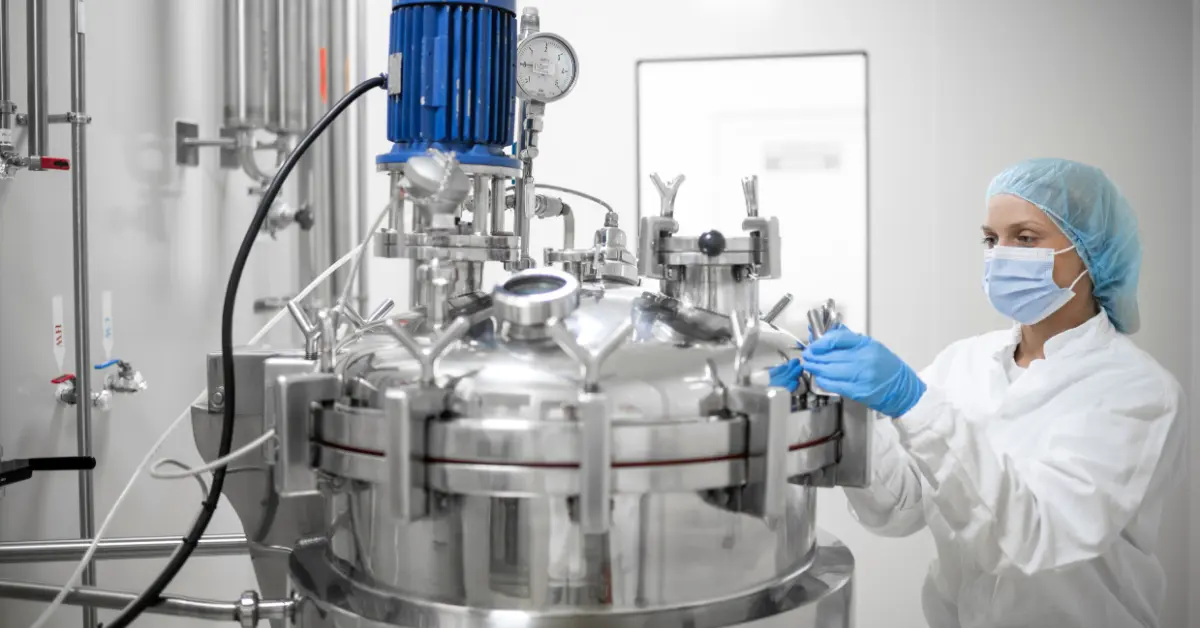
India now supplies medicines to over 200 countries, and the global appetite for its pharmaceutical output keeps growing year on year. For brands eyeing international markets, the question is no longer just what to manufacture but where and with whom. The numbers point towards India. Speed, quality, and regulatory readiness have made this country a serious manufacturing force on the world stage.
The growth of third party manufacturing pharma as a preferred production model has played a considerable part in this story. International brands that once hesitated to outsource are now actively seeking Indian manufacturers to meet growing global demand. The model offers something in-house manufacturing rarely can: the ability to scale quickly, meet varied regulatory requirements, and maintain product quality without the burden of running a facility from the ground up.
From Domestic Supplier to Global Powerhouse
A Shift That Took Decades to Build: India’s pharmaceutical sector did not reach its current global standing overnight. Years of deliberate investment in manufacturing infrastructure, quality systems, and regulatory expertise have made Indian manufacturers genuinely credible partners for brands across the world. The country now accounts for roughly 20% of global generic medicine exports by volume, a figure earned through consistent performance over many years rather than geography alone.
Why Regulatory Credibility Changes the Game: For brands planning to enter international markets, a manufacturing partner’s compliance record matters as much as its production capacity. Access to a wide range of dosage forms, therapeutic segments, and Good Manufacturing Practice compliant facilities means brands are not forced to choose between quality and scale. Regulatory credibility in export markets is perhaps the most underestimated advantage a manufacturing partner can bring to the table.
Infrastructure That Supports Long-Term Growth: India’s pharmaceutical manufacturing base has grown considerably over the past two decades. Large-scale facilities built to international inspection standards now operate across multiple states, supporting both domestic pharmaceutical brands and international partners seeking export-ready production. This depth of infrastructure means production continuity is rarely a concern, even as order volumes increase or product portfolios expand considerably over time.
What Pulls International Brands Towards Indian Manufacturers
The Cost Equation That Is Hard to Ignore: Manufacturing costs in India are considerably lower than in most Western markets, yet quality output at certified facilities remains comparable. That gap matters more than many brands initially realise. Companies manufacturing domestically in high-cost regions often find themselves priced out of competitive international tenders, losing contracts to lower-cost competitors. Outsourcing production to India can shift that balance, sometimes more dramatically than a brand initially expects.
The Range of What Is Possible: International brands are also drawn to the breadth of what Indian manufacturers can produce. Active pharmaceutical ingredients are sourced efficiently through well-established domestic supply networks, which keeps production timelines and material costs manageable. A single contract manufacturing partner can often cover tablets, capsules, oral liquids, and external preparations across multiple therapeutic categories, reducing the complexity of managing separate manufacturing relationships.
Formulation Depth Without the Development Cost: Many international brands also need access to a wide range of products without the time or resources to develop every formulation from scratch. Indian contract manufacturers with large approved formulation libraries offer a practical route forward. Brands can launch across multiple therapeutic categories using pre-validated products, compressing go-to-market timelines considerably and reducing the regulatory burden of entirely new formulation development.
Some of the key reasons international brands are drawn to Indian pharmaceutical manufacturers:
- WHO-GMP certified facilities that meet international inspection standards, making product registration and export approvals more straightforward for partnering brands.
- Extensive formulation libraries with thousands of approved products across therapeutic segments, cutting time spent on fresh development.
- Skilled pharmaceutical workforce with documented expertise in regulatory compliance, quality control, and dossier preparation.
- Competitive material pricing due to a well-established domestic raw material supply chain across major pharmaceutical hubs.
- Export-ready infrastructure with experience managing international documentation, customs requirements, and distribution logistics.
See also: How the Right Water System Turns a Simple Pond into a Healthier and More Balanced Environment
Export Pipelines Built on Outsourced Production
Cutting the Time Between Development and Market Entry: Getting a product from development to foreign market shelves involves a long and often underestimated chain of steps. Regulatory filings, stability data, and product registration each take time and real expertise. A third party manufacturer that already holds relevant certifications and documented export experience can cut months off that process. That time advantage rarely gets enough attention when brands are comparing manufacturing options.
Meeting Standards That Do Not Bend: International markets do not accept shortcuts. Products destined for export must meet the importing country’s requirements, which are often more demanding than domestic benchmarks. Manufacturers with established quality systems, in-house testing laboratories, and consistent compliance records give partnering brands a far better chance of clearing regulatory hurdles on the first attempt, rather than facing costly re-submissions and the delays that follow.
Why Choosing the Right Partner Affects More Than Production: Manufacturing partnerships affect everything from product quality and regulatory standing to distribution timelines and brand reputation in target international markets. Brands that get this decision wrong often face delays, rejections, or reputational damage that takes years to recover from. The manufacturing partner a brand chooses is not just a vendor. It fundamentally shapes how that brand is perceived in every market it enters.
Your Route Into the Markets That Matter
The global pharmaceutical market shows no signs of slowing, and demand for generics, nutraceuticals, and specialty medicines keeps rising worldwide. If your brand is looking to participate in that growth, manufacturing capability and quality assurance are two things you cannot afford to get wrong. Reach out to a WHO-GMP certified contract manufacturing partner today and take the first step towards credible international expansion.